Brown rice vs white rice. It's one of the most debated food choices in Indian kitchens today —
especially among people trying to eat healthier without giving up their daily rice meal.
The answer isn't as simple as "brown is always better." Context matters.
This comparison breaks down the real differences — in nutrition, taste, cooking,
and health impact — so you can make an informed decision for your specific lifestyle.
Explore EatNuts' rice range — EatNuts rice collection
What's the Actual Difference Between Brown and White Rice?
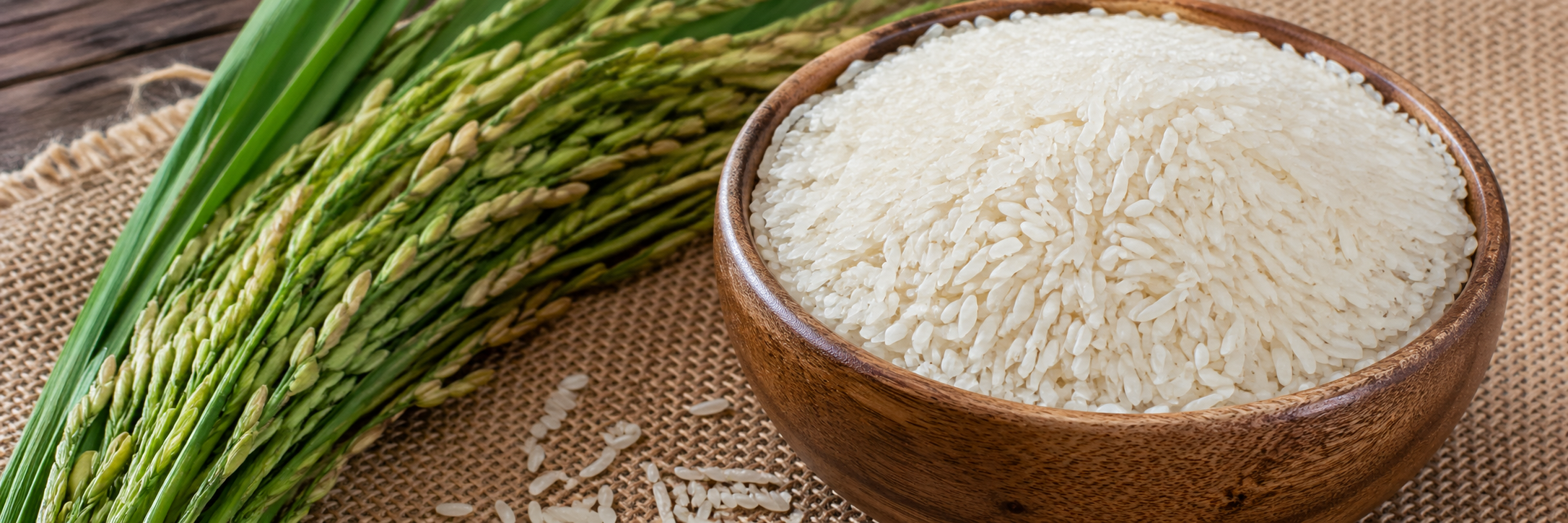
Both come from the same plant. The difference is processing.
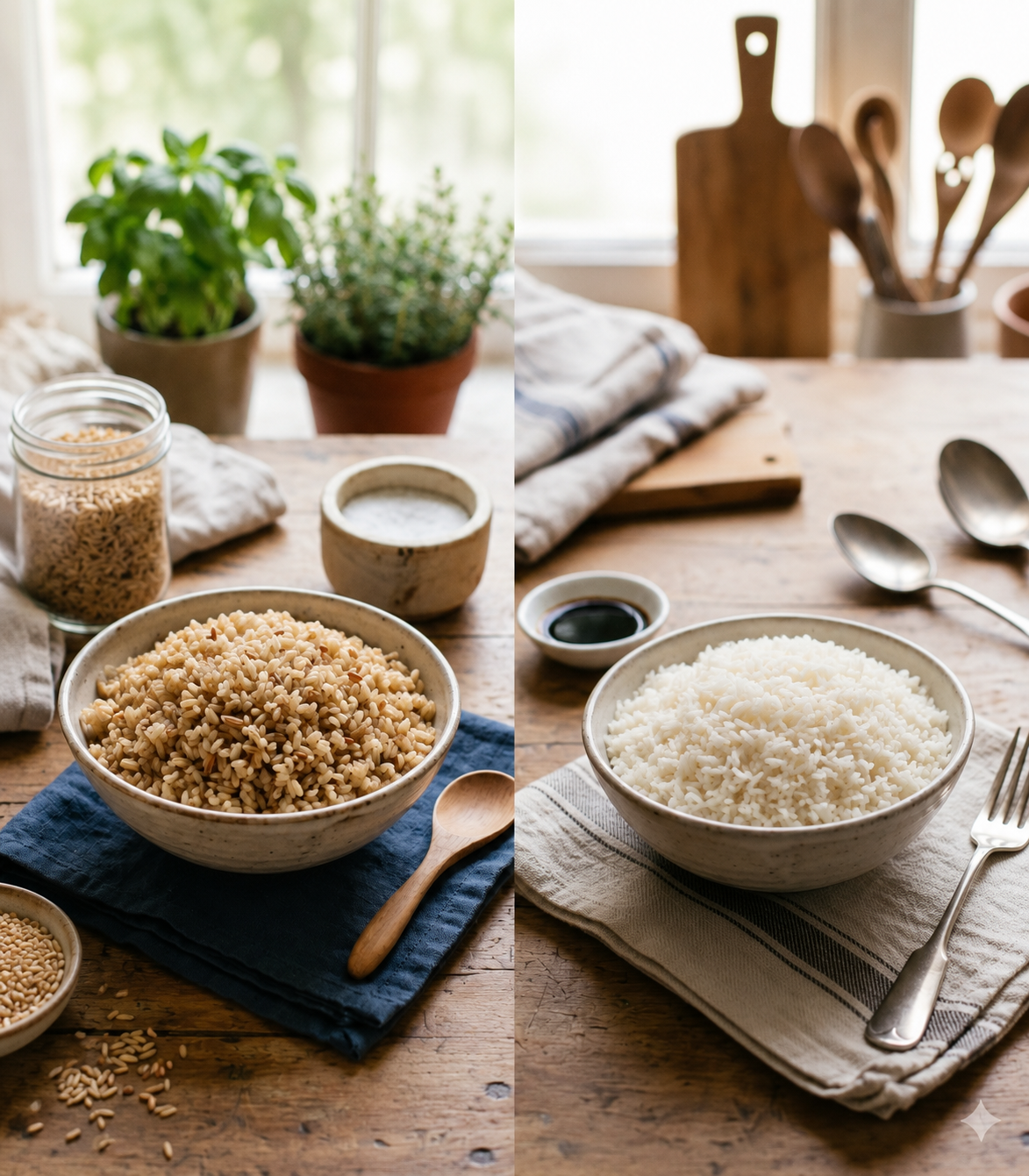
Brown rice = whole grain. It keeps the outer bran layer and germ intact.
White rice = milled and polished. The bran and germ are removed,
leaving mostly starch.
That single processing step changes everything — nutrition, texture,
cooking time, and health impact.
Nutrition Comparison: Brown Rice vs White Rice
Per 100g cooked rice (approximate):
Brown rice wins on fiber, magnesium, and glycemic index.
White rice is slightly higher in calories and carbs,
with significantly less fiber.
Buy brown rice online — best brown rice for health
Health Impact Comparison
Blood Sugar & Diabetes
Brown rice's lower GI (~55) means it causes a slower,
more gradual rise in blood sugar — significantly better
for people with diabetes or prediabetes.
White rice (GI ~72) causes a faster spike and drop,
increasing insulin demand over time.
Weight Management
Brown rice's higher fiber keeps you fuller for longer,
reducing overall calorie intake.
Studies show people who regularly eat whole grains
tend to maintain lower body weights over time.
White rice, eaten in large portions,
can contribute to weight gain — especially when sedentary.
Digestive Health
Brown rice's fiber promotes healthy bowel movements
and feeds beneficial gut bacteria.
However
Some people with irritable bowel syndrome (IBS)
or sensitive stomachs find white rice easier to digest.
Brown rice's bran can cause bloating for some.
If you have digestive issues — start with small amounts
of brown rice and see how your body responds.
Heart Health
Brown rice contains more magnesium,
which supports heart health and blood pressure regulation.
Its fiber also helps reduce LDL (bad) cholesterol levels.
Taste & Texture: An Honest Comparison
Let's be honest — white rice tastes better to most people.
White rice
Soft, fluffy, neutral taste.
Pairs seamlessly with gravies, dals, and curd.
Brown rice
Chewy, nutty, slightly earthy.
Requires getting used to.
The texture switch is the biggest barrier for people moving from white to brown rice.
A tip: start with 50% white + 50% brown to let your palate adjust gradually.
Cooking Time Comparison
White rice: 15–20 minutes
Brown rice: 30–40 minutes (or 20 minutes if soaked overnight)
For busy households, this is a real consideration.
Meal prepping brown rice in batches over the weekend solves this problem entirely.
Who Should Eat Brown Rice?
Brown rice is ideal for:
- People managing type 2 diabetes or prediabetes
- Those with weight loss goals
- People seeking higher fiber intake
- Office professionals wanting sustained energy
- Anyone trying to improve heart health
Who might prefer white rice:
- Young children (need quick energy)
- Post-illness recovery (white rice is gentler)
- Athletes needing rapid glycogen refueling
- People with IBS or digestive sensitivity
Best rice for your health goals — healthy rice options for professionals
The Verdict
For most urban, moderately active adults in India —
especially in desk jobs — brown rice is the better everyday choice.
Its fiber, lower GI, and micronutrients make it a superior health food.
But "healthier" doesn't mean you must abandon white rice entirely.
Balance matters.
Use white rice for special dishes and occasions;
choose brown or sona masoori for everyday meals.